
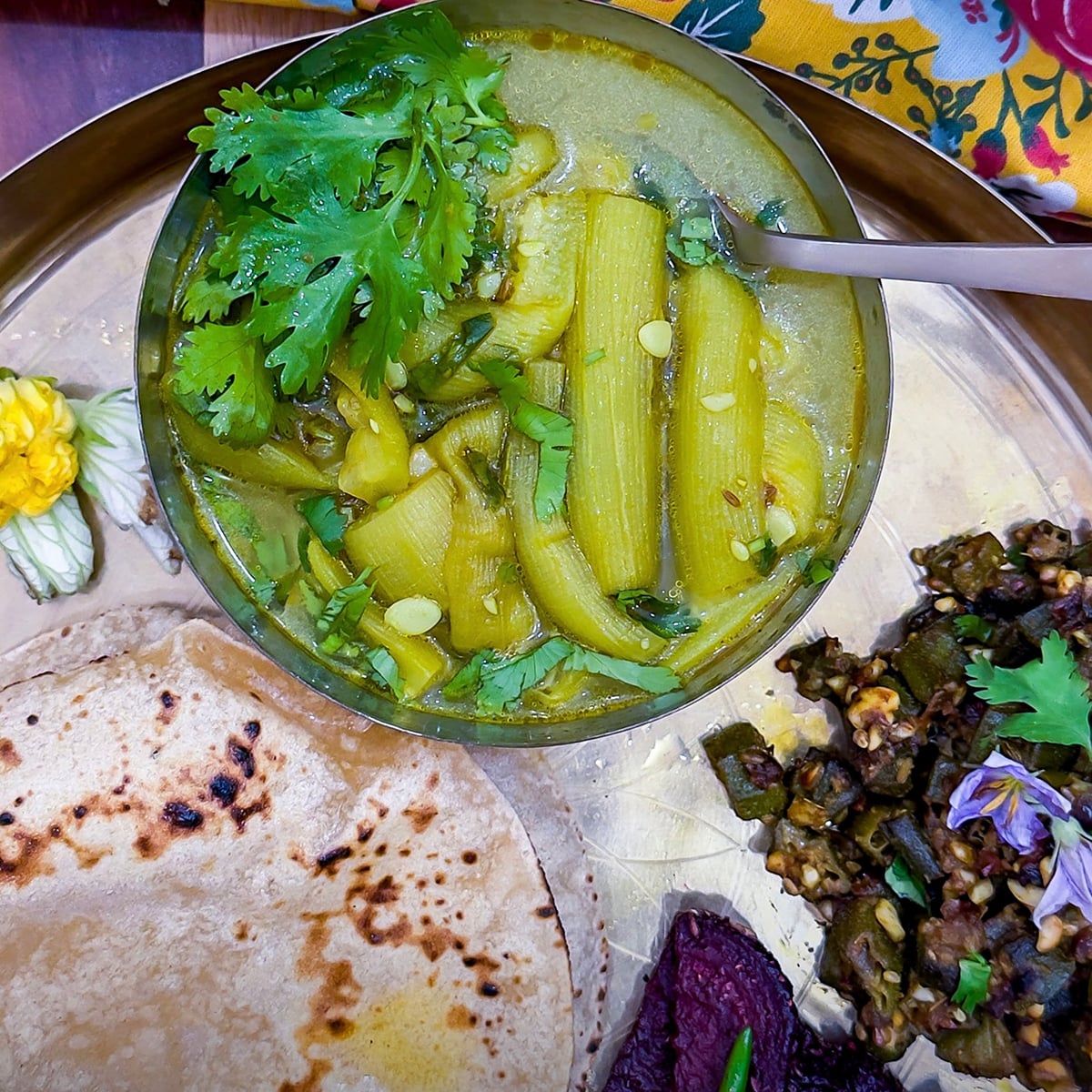
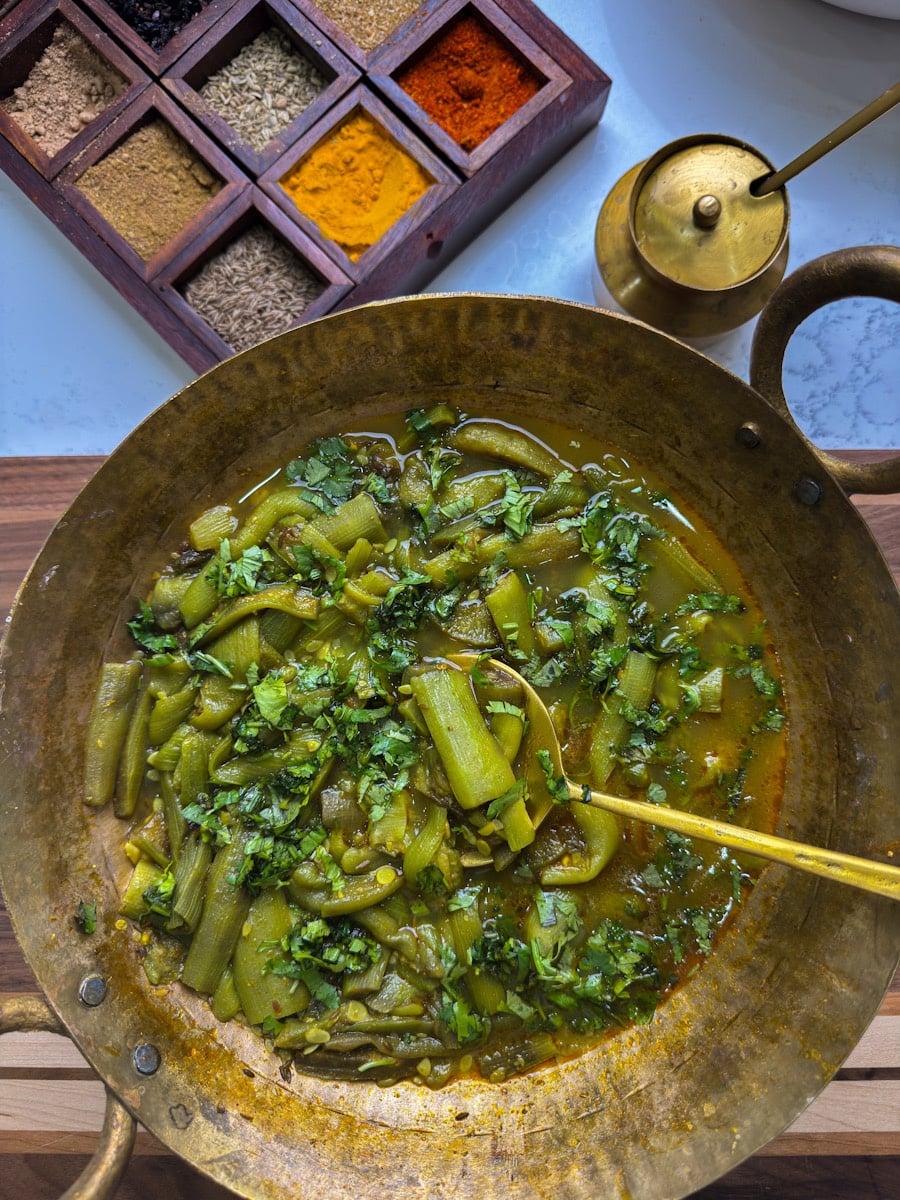
This homestyle torai ki sabzi — also known as gilki ki sabzi — is a light sponge gourd curry, simmered in a simple ghee tadka and finished with lime juice and a handful of chopped cilantro.
There are vegetables that quietly anchor your childhood. Torai ki sabzi was one of them. It was always there—cooked slowly, melting into its own juices, offering a gentle, familiar flavor. A sabzi so unassuming, yet so comforting, it never needed an introduction. And then, one day, it was gone. Not temporarily, not seasonally — completely.
Jump to:
Finding Torai in the U.S.
When I moved to the U.S., I searched every grocery store aisle for it — torai, the tender sponge gourd I grew up eating. Not ridge gourd, because the two are entirely different vegetables even though they belong to the same gourd family. But torai was nowhere. Not in Indian stores, not in Asian markets, not even online.
Torai and Loofah Connection
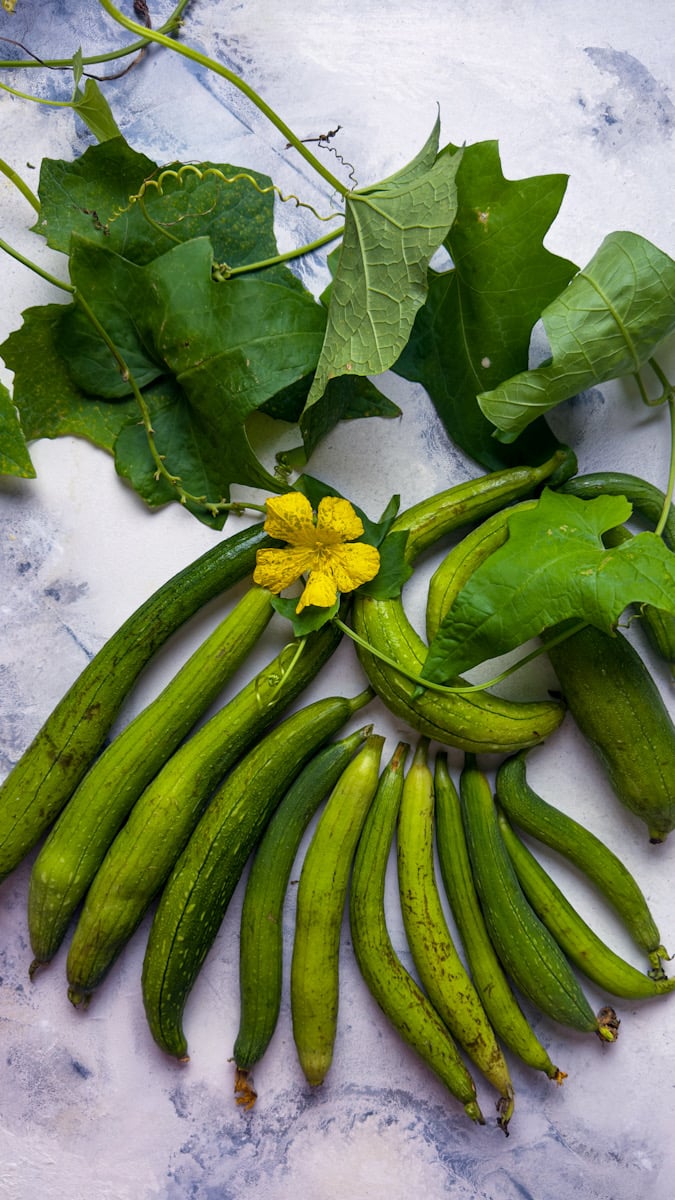
Then one day, I figured it out: torai—or “sponge gourd”—is the same plant that becomes a loofah, the natural bath sponge used around the world. It grows abundantly here, but instead of eating it as a vegetable, people dry it, cure it, and turn it into organic, biodegradable scrubs.
Growing Torai at Home
At that very moment, I ordered loofah plant seeds — and planted them myself. Watching the vines climb, the yellow flowers open, and the gourds slowly appear felt like reclaiming a piece of home. Growing sponge gourd became the only way to taste the sabzi I'd missed for so long, and now, this is my fifth year growing it for this torai recipe.
Torai: History & Origins
Sponge gourd has been part of India’s food landscape for thousands of years, appearing in early agriculture records and regional traditions long before global exchange reshaped Indian cuisine. It was shaped in Indian kitchens, not through foreign introduction, which is why it remains such a quiet, familiar staple today.
Why You Should Try Torai (Sponge Gourd)
Torai is low in calories but nutrient-dense—rich in vitamin C, vitamin A, folate, iron, potassium, magnesium, fiber, and natural hydration. Ayurveda values it for calming heat and reducing acidity; it cooks quickly, absorbs flavors beautifully, and has a soft, silky texture that's light on the stomach—nourishing without feeling heavy.
How to Cook Torai
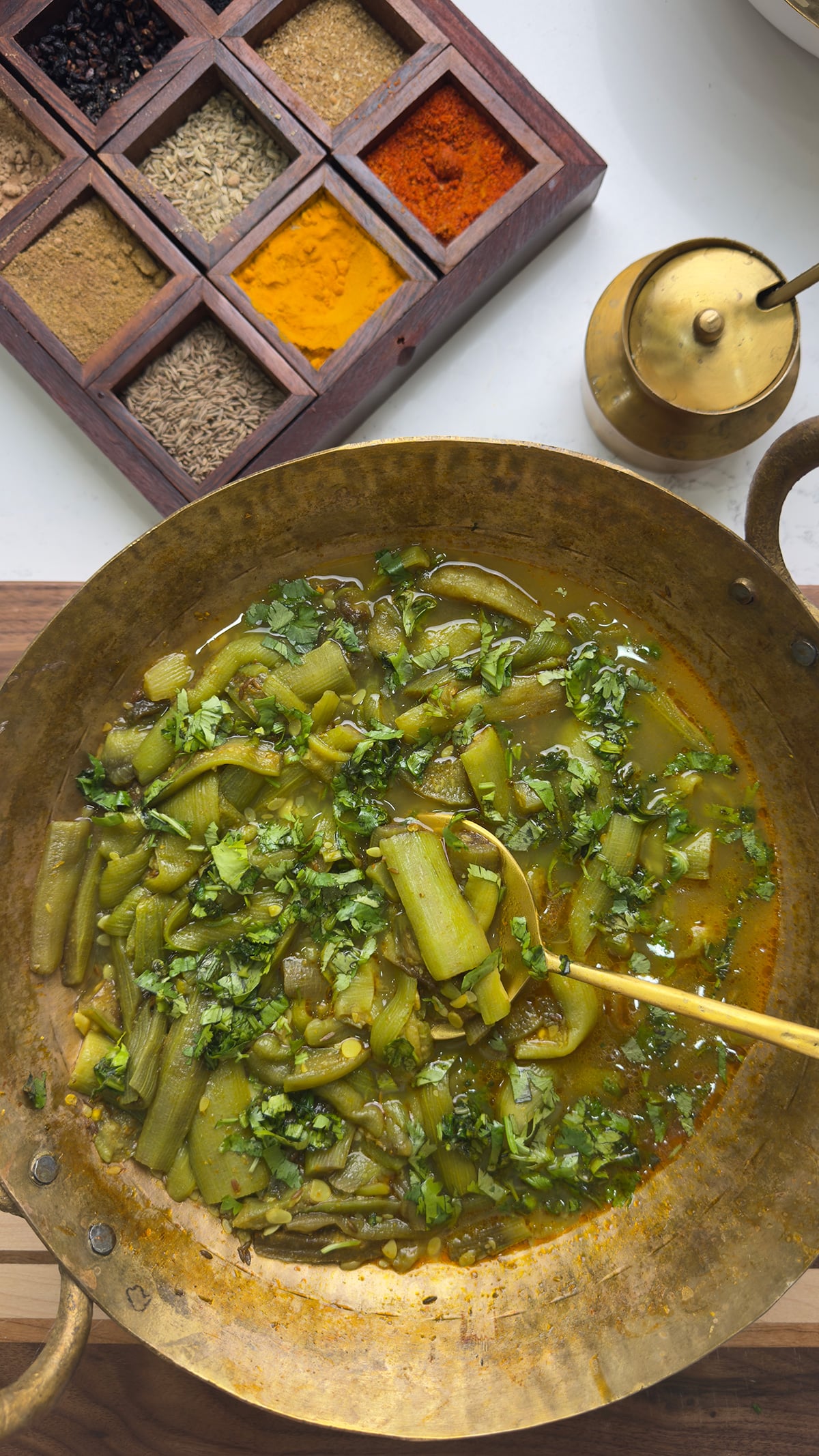
Torai cooks quickly and absorbs flavor beautifully, which is why it’s a staple in simple Indian home cooking. The most common way to prepare it is a light, ghee‑tempered sabzi with hing, jeera, haldi, and dhaniya — a clean, comforting dish that softens into its own juices. Cook it covered to let it release water, then open the lid to reduce it to your preferred consistency. Torai also works well in dals, mixed sabzis, and light curries, but its true charm shines in simple, everyday cooking like this Torai ki sabzi recipe.
Torai Ki Sabzi Frequently Asked Questions
No. Torai (sponge gourd) has smooth skin and a softer, silkier texture when cooked. Ridge gourd has deep ridges and stays firmer.
Mild, gentle, and naturally juicy — it absorbs spices beautifully.
Yes. Its water content and soft fiber make it very easy on the stomach.
Absolutely. It’s cooling, hydrating, and ideal for hot weather.
Yes, the peel is thin and cooks down easily.
Around 15–20 minutes.
Torai Ki Sabzi Serving Suggestions
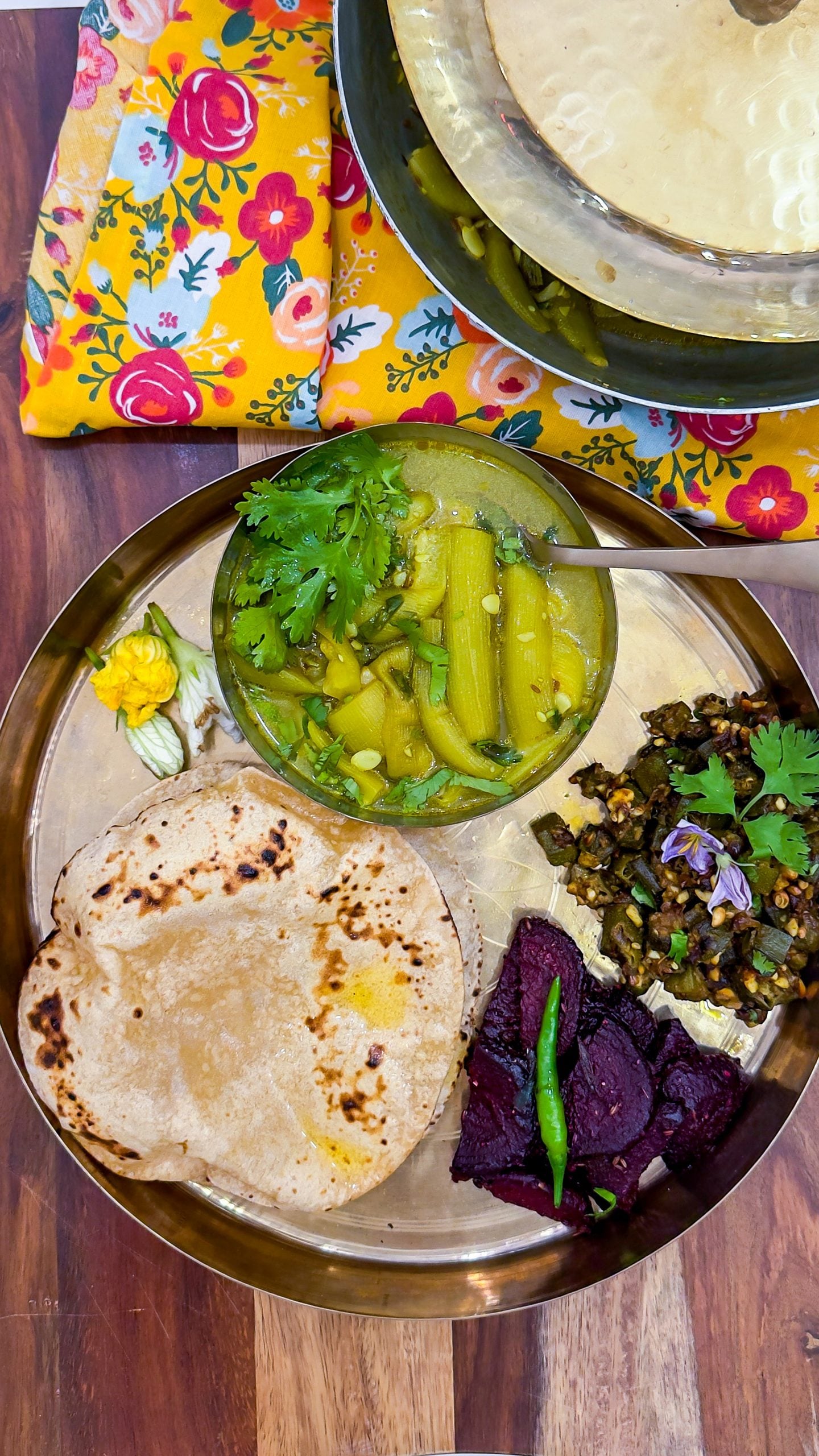
Serve this Torai recipe hot with rotis, and pair it with dal tadka for a complete meal.
If you're looking for another everyday favorite for your family, try my bhindi masala recipe.
More Recipe Favorites to Try
If you liked this recipe, you'll enjoy these recipes too—do give them a try!
If you love this sponge gourd recipe, try my bharwan karela and pumpkin curry recipes.
Recipe
Torai (Sponge Gourd) Ki Sabzi
Ingredients
Instructions
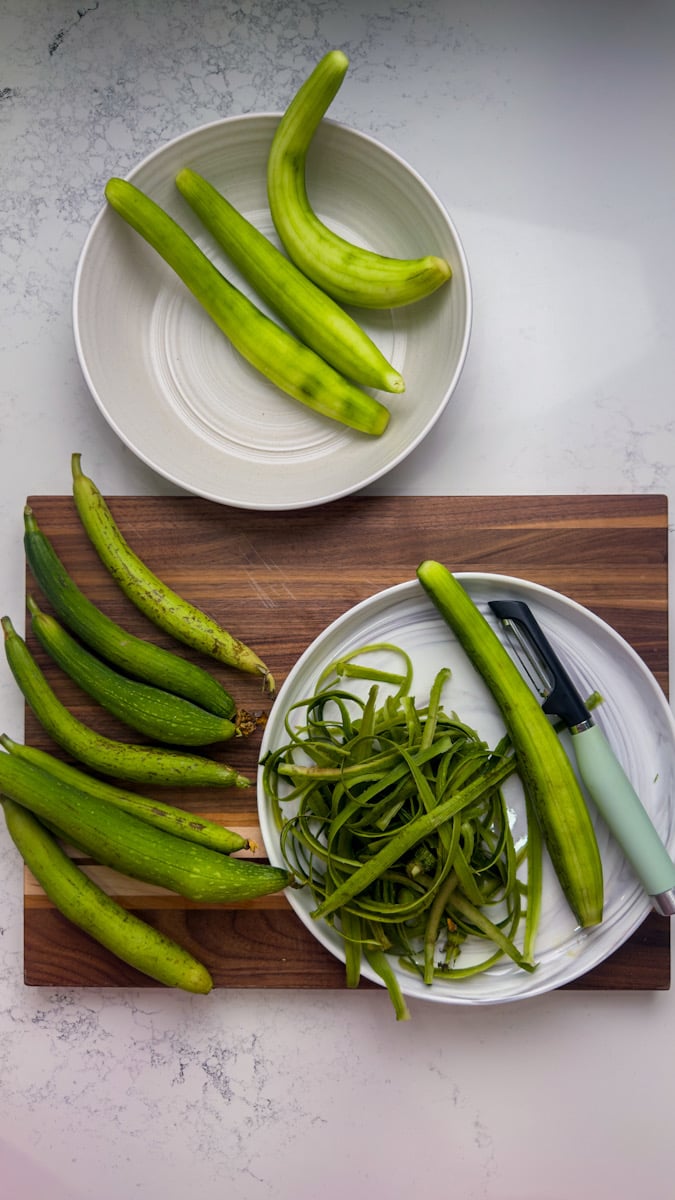
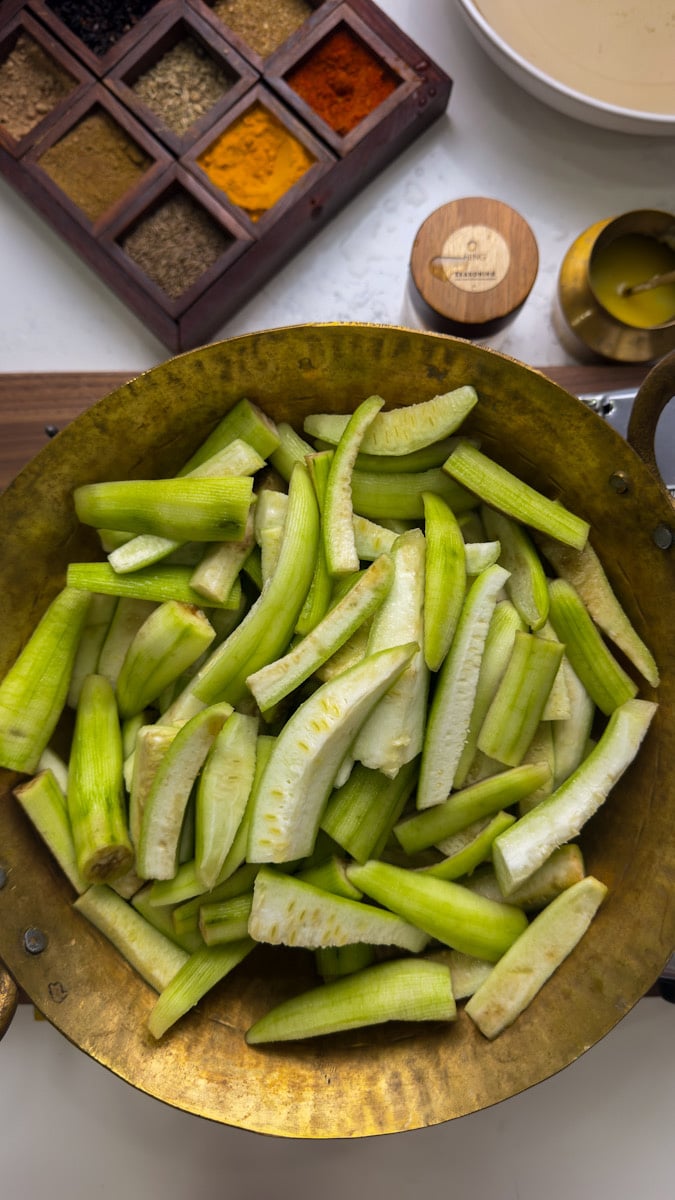
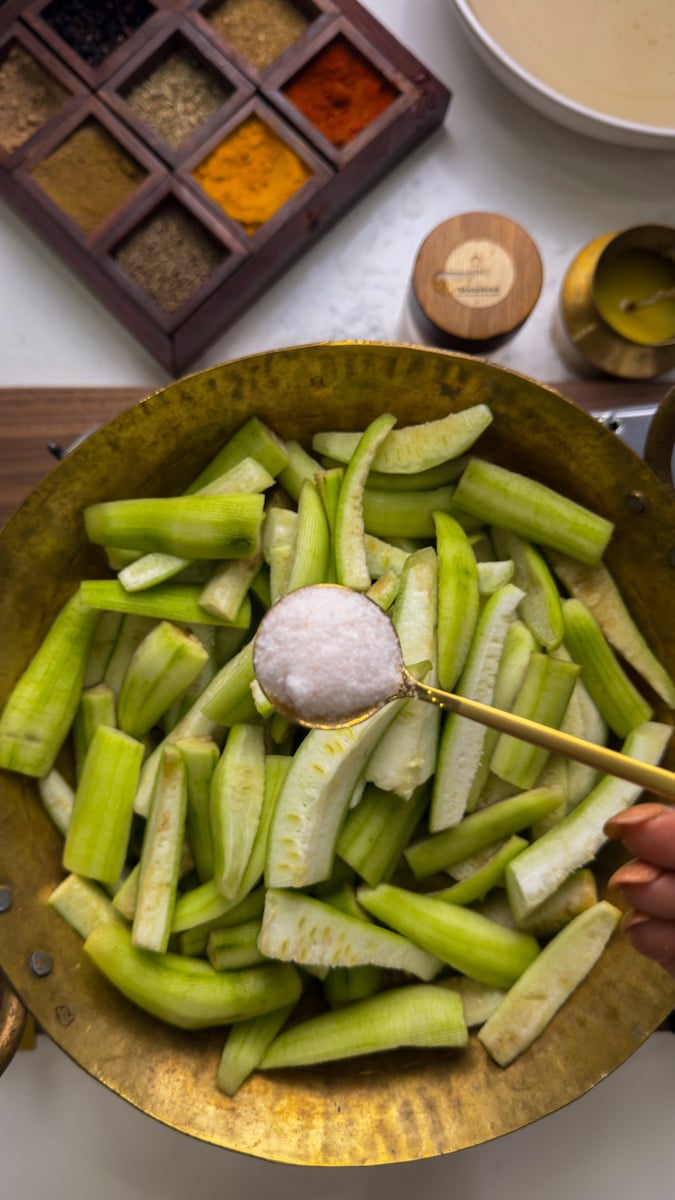
- Wash the torai well. Peel off the green skin with a vegetable peeler, in long strips.

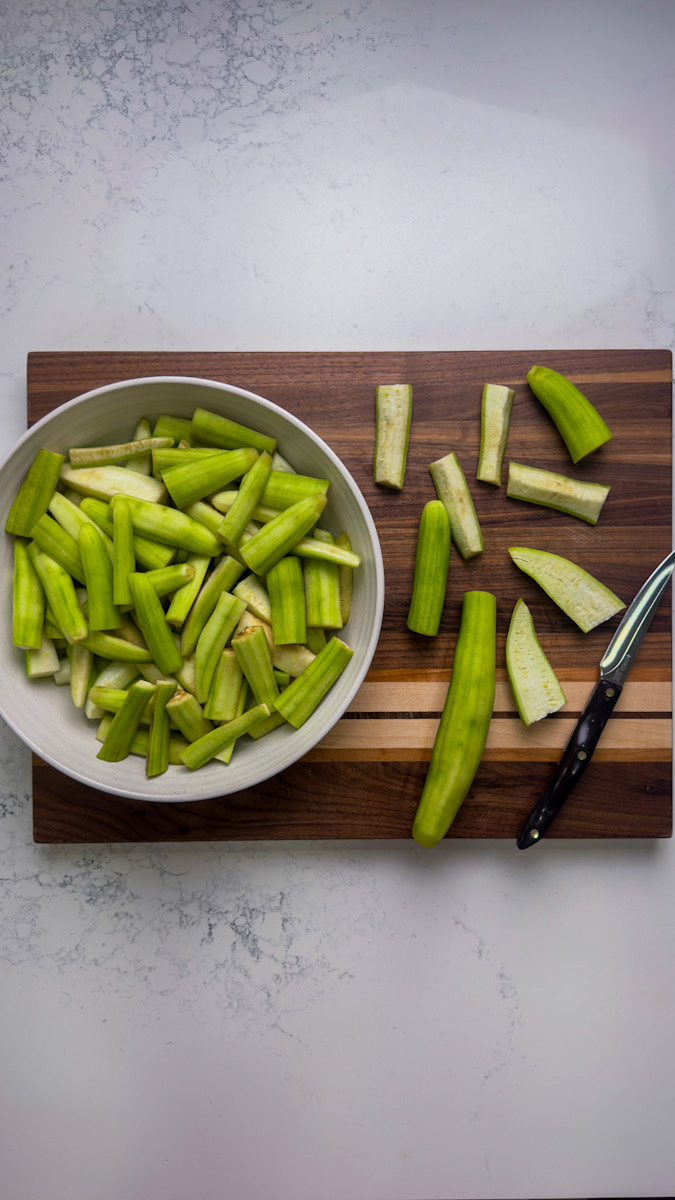
- Cut the peeled torai into 2-inch fingers (batons); halve any thick pieces lengthwise
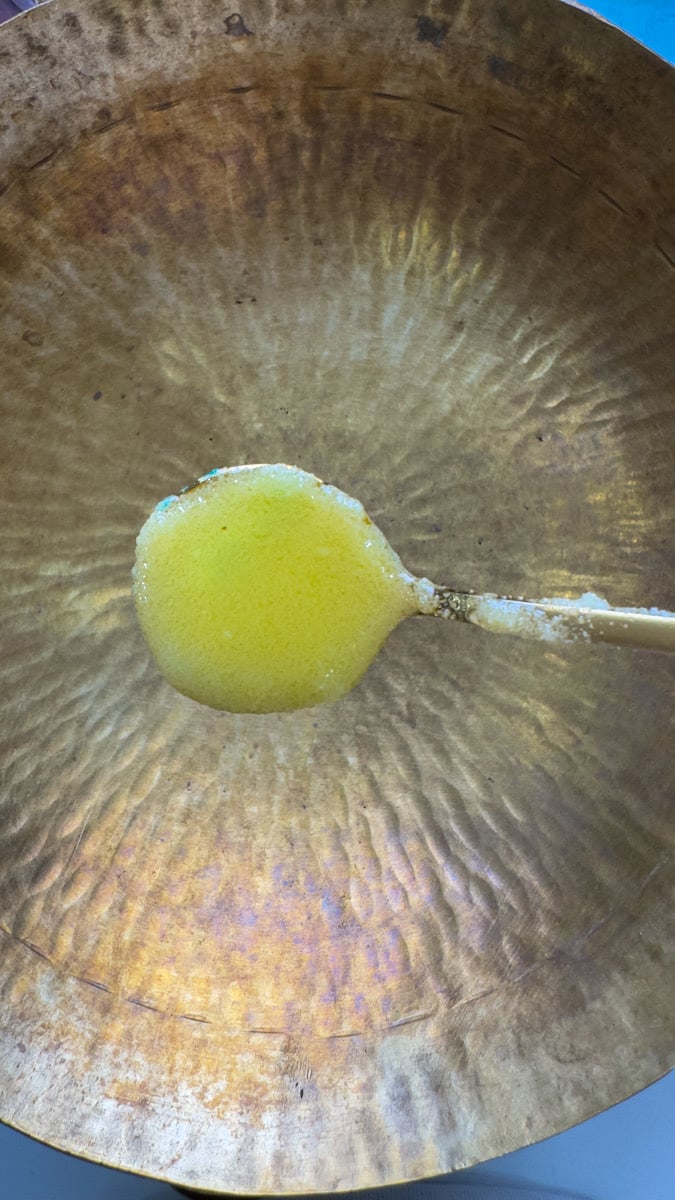
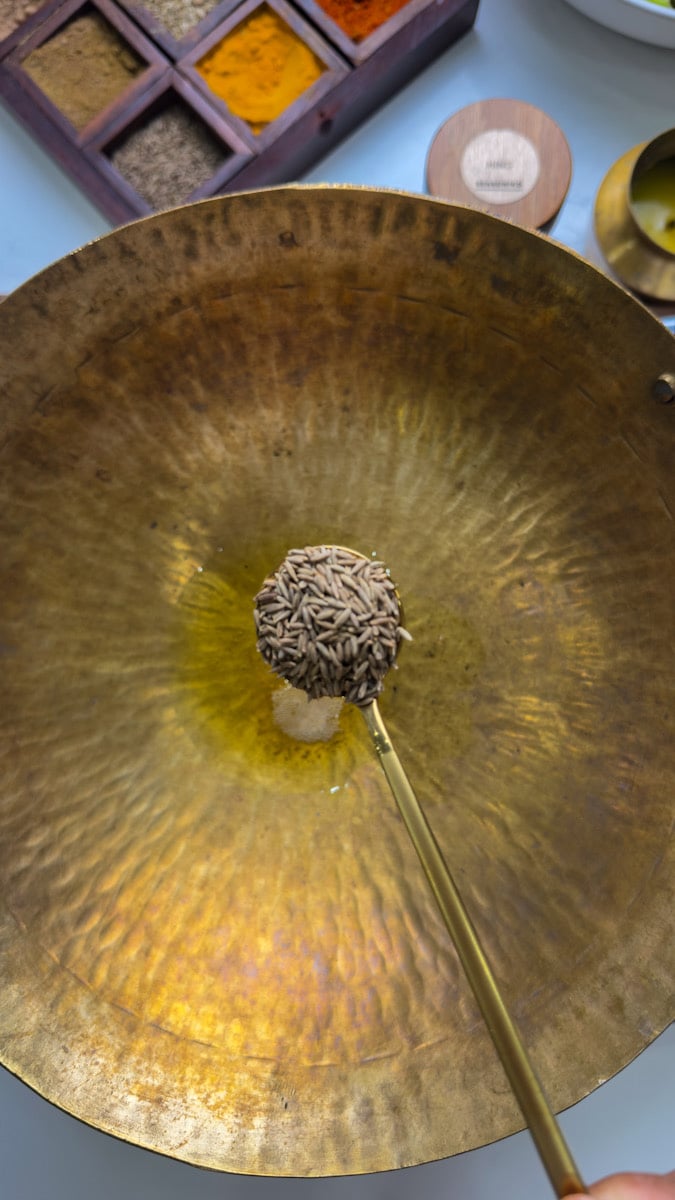
- Heat the ghee in a kadhai over medium heat.
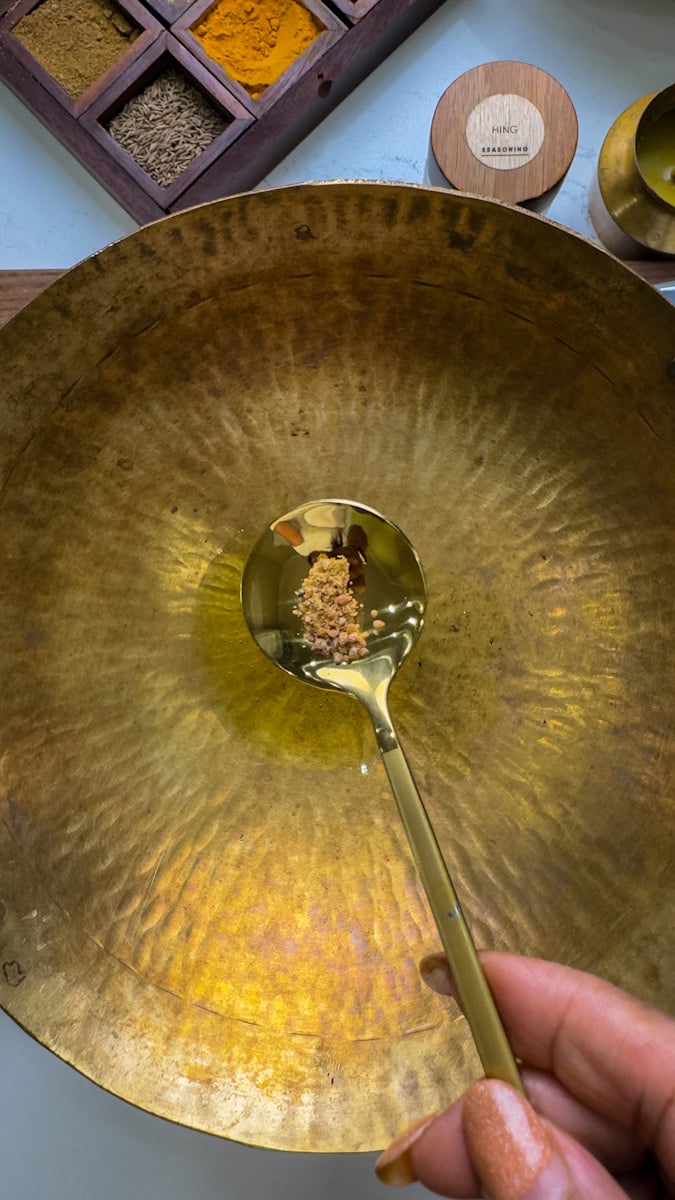
- Add the hing and let it sizzle for a few seconds.
- Add the jeera and let it crackle.
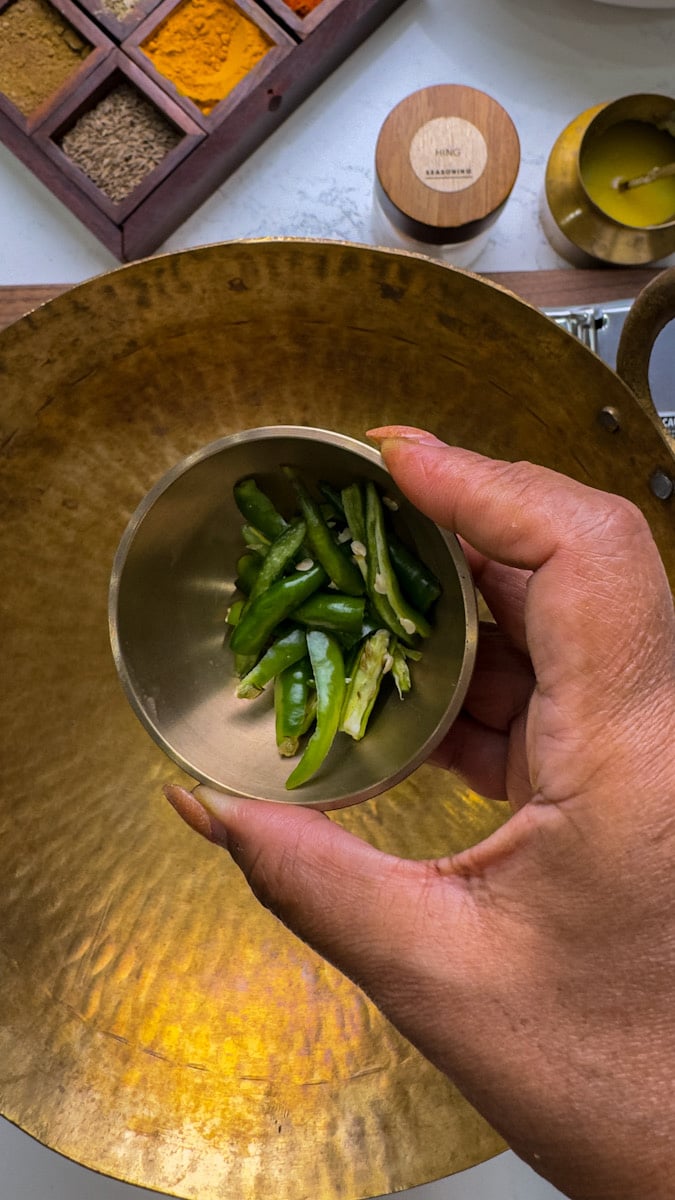
- Add the slit green chillies and sauté briefly.
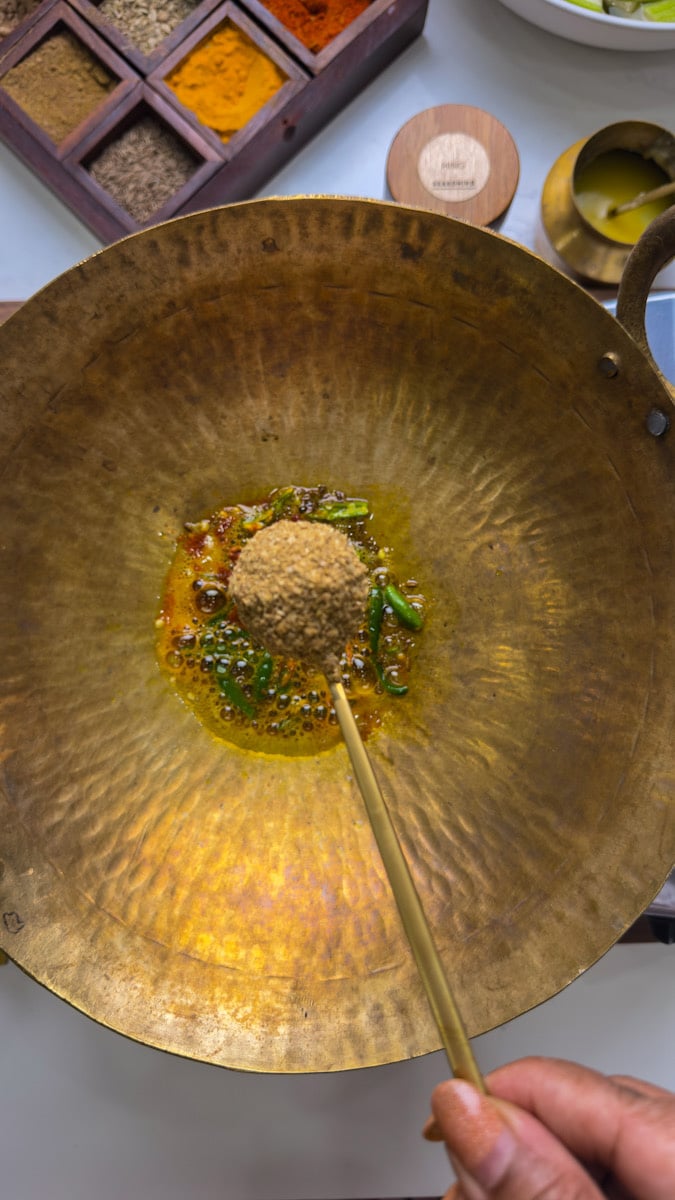
- Lower the heat. Add the haldi, red chilli powder, and dhaniya powder one after the other, stirring for a few seconds— don't let them burn.
- Add the cut torai
- Add Salt
- Mix well so every piece is coated in the masala.
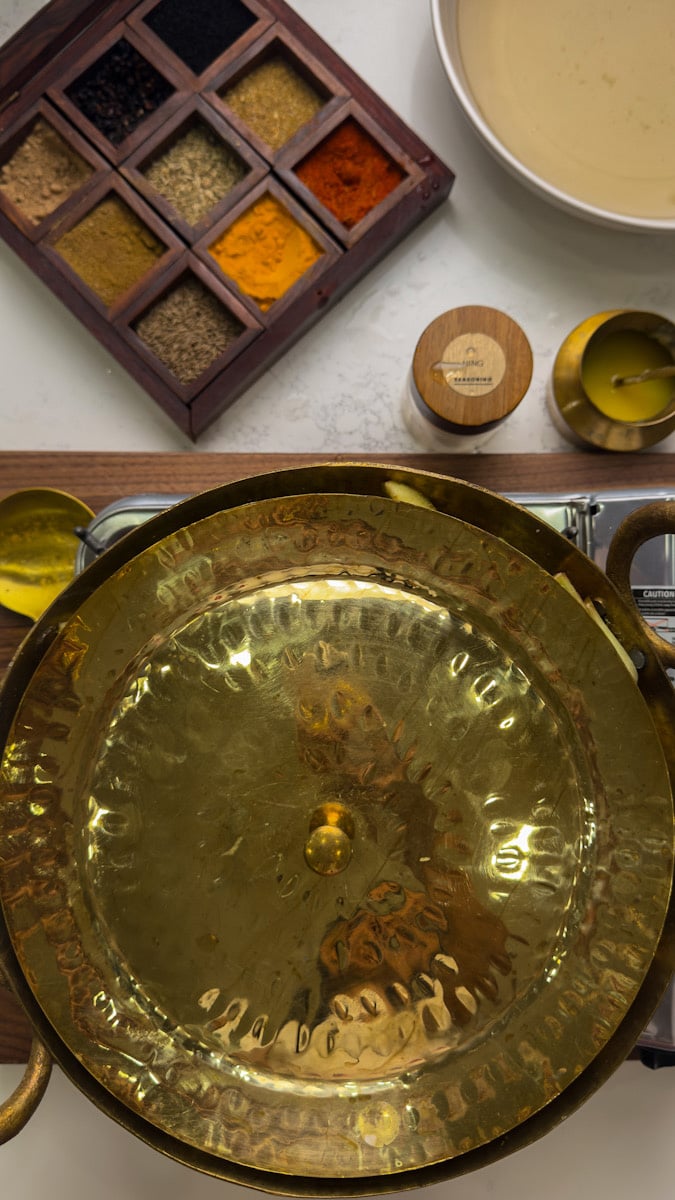
- Cover with a lid and cook on low heat till the torai releases its water and turns soft and glossy.
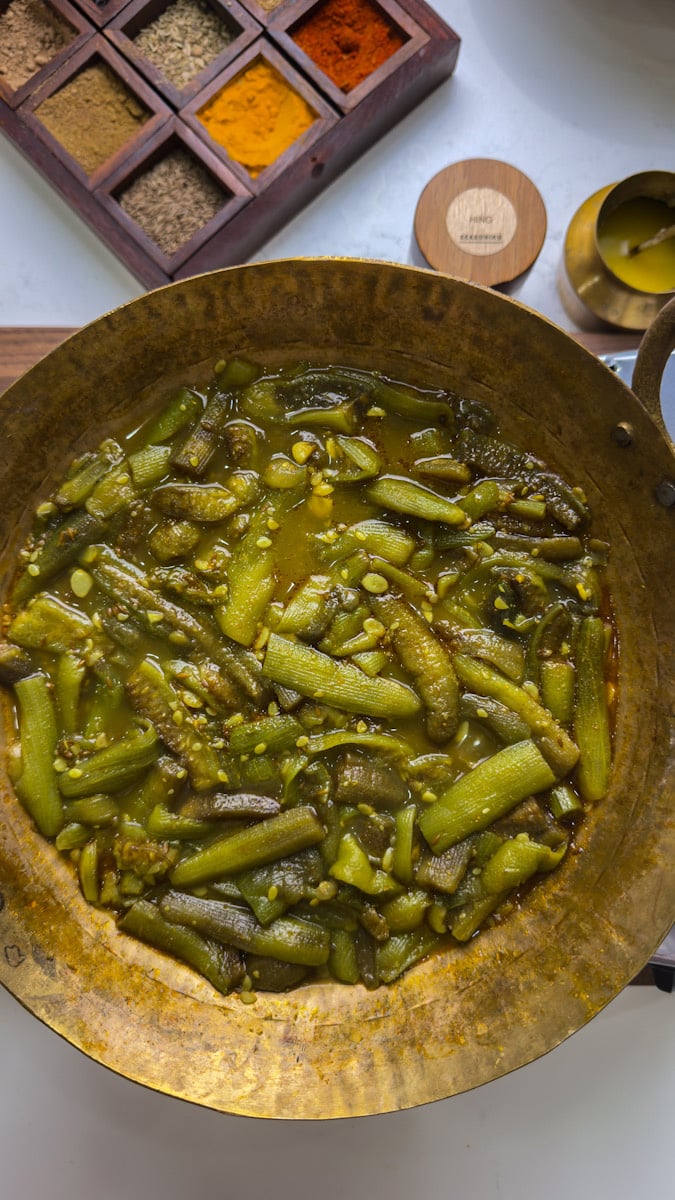
- Uncover and cook a few more minutes till the moisture cooks down and the ghee glistens at the edges.
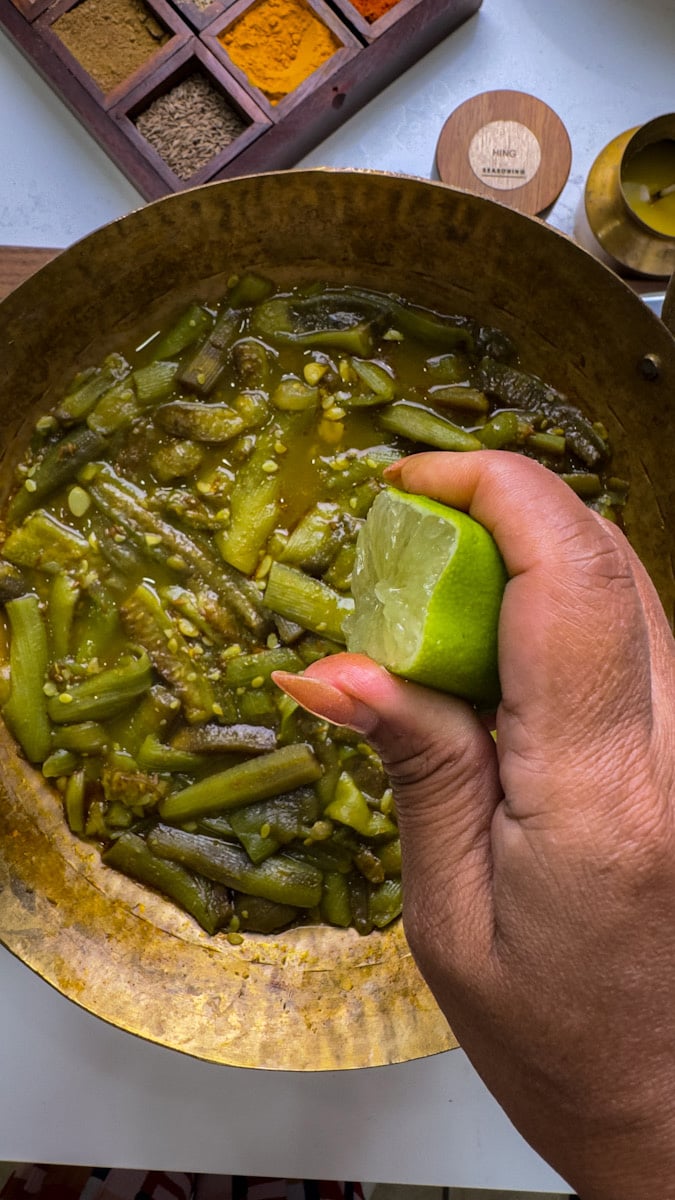
- Squeeze fresh lime juice over the top.
- Finish it with a handful of chopped cilantro.

- Serve it with hot rotis and Bhindi Masala. For a complete meal, pair it with Dal tadka.


Leave a Reply